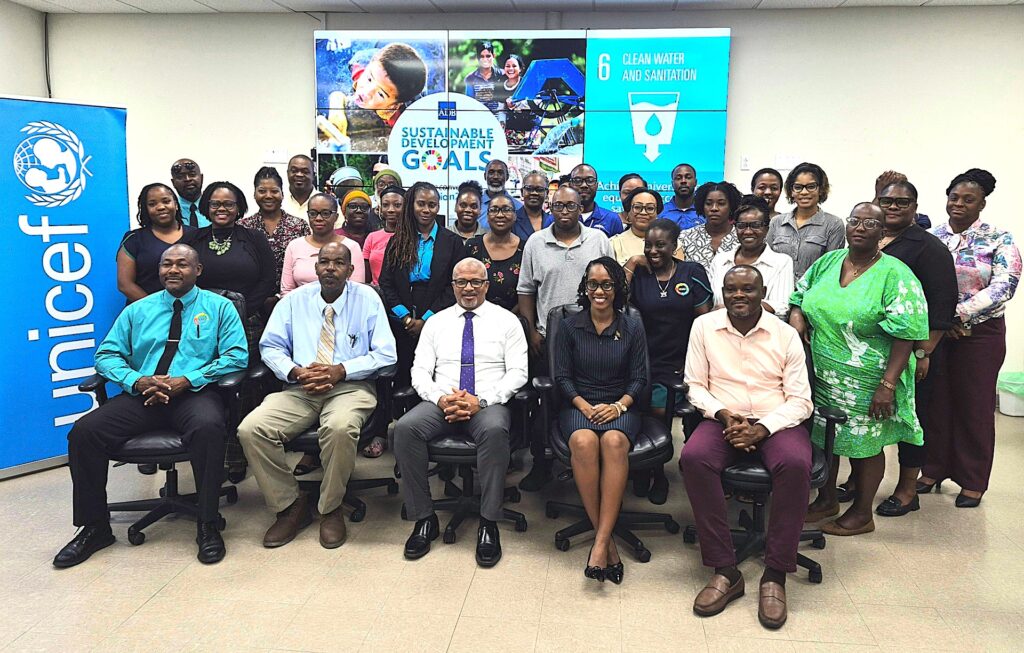
NIA Charlestown, Nevis (October 30, 2026)- The Nevis Disaster Management Department (NDMD), in collaboration with the National Emergency Management Agency (NEMA) and with support from UNICEF, conducted a four-day Water, Sanitation and Hygiene (WASH) in Emergencies training workshop aimed at strengthening the island’s capacity to respond to water, sanitation and hygiene needs during disasters.
Held at the NDMD Conference Room from October 26 to 29, the workshop brought together representatives from health, education, public utilities, agriculture, social services and tourism to strengthen coordination and ensure essential services are maintained during emergencies.
WASH plays a critical role in emergencies by ensuring access to clean water, adequate sanitation and proper hygiene, helping to prevent disease outbreaks and safeguard the health and dignity of affected populations.
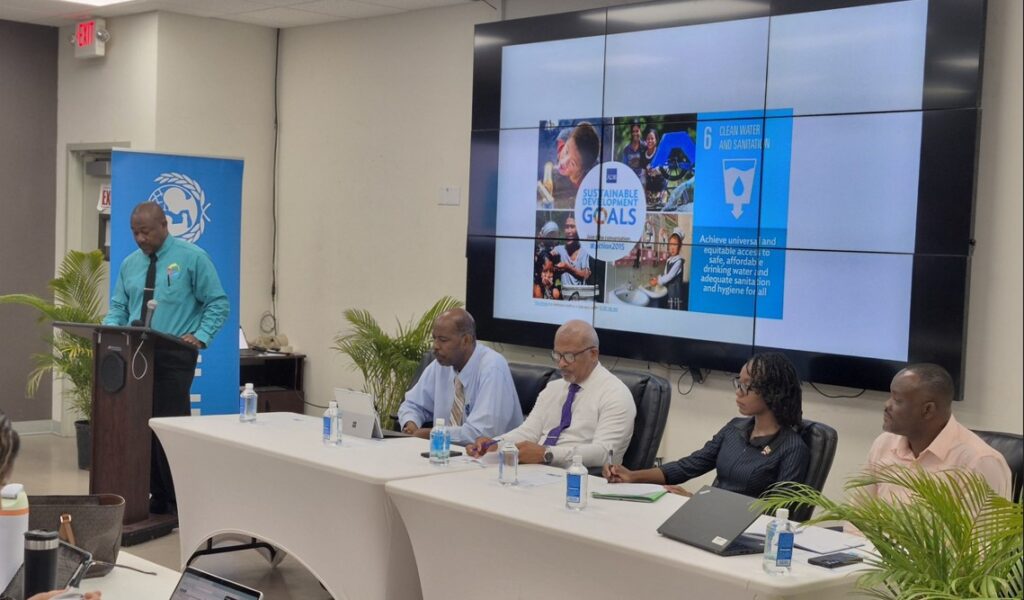
Addressing participants on the opening day, Minister of Water Services and Disaster Management in the Nevis Island Administration (NIA), the Honourable Spencer Brand, reaffirmed the government’s commitment to strengthening the island’s emergency response capacity and safeguarding its people.
“I believe today in this room we have the important people who can safeguard not only Nevis, but also St. Kitts, in our response after an emergency. This is important work. It would provide greater comfort to the Ministries of Health and Education, as well as to farmers, while allowing our Water Department team to build the network that we really need to rely on during an emergency.”
NDMD Director Brian Dyer highlighted the need for a coordinated approach to ensuring that essential services reach vulnerable populations, particularly during emergencies.
“Our gathering is grounded in a shared purpose, that is, ensuring that all children, households, and communities have access to safe drinking water, adequate sanitation, and good hygiene practices.
“These essential essentials protect our health and dignity, support education and strengthen resilience to disasters and climate change. This workshop gives us an opportunity to translate that purpose into practical action. Together we will develop and demonstrate a process that can be replicated for enriching and using data at the subnational level. This means bringing information about households and communities together with data on essential services like water, sanitation, hygiene, healthcare, nutrition, education and social protection.
“Our goal is better aligned and coordinated across preparedness, humanitarian response and recovery so that we can respond more effectively to disasters, climate and environmental hazards and the shock that they bring.”
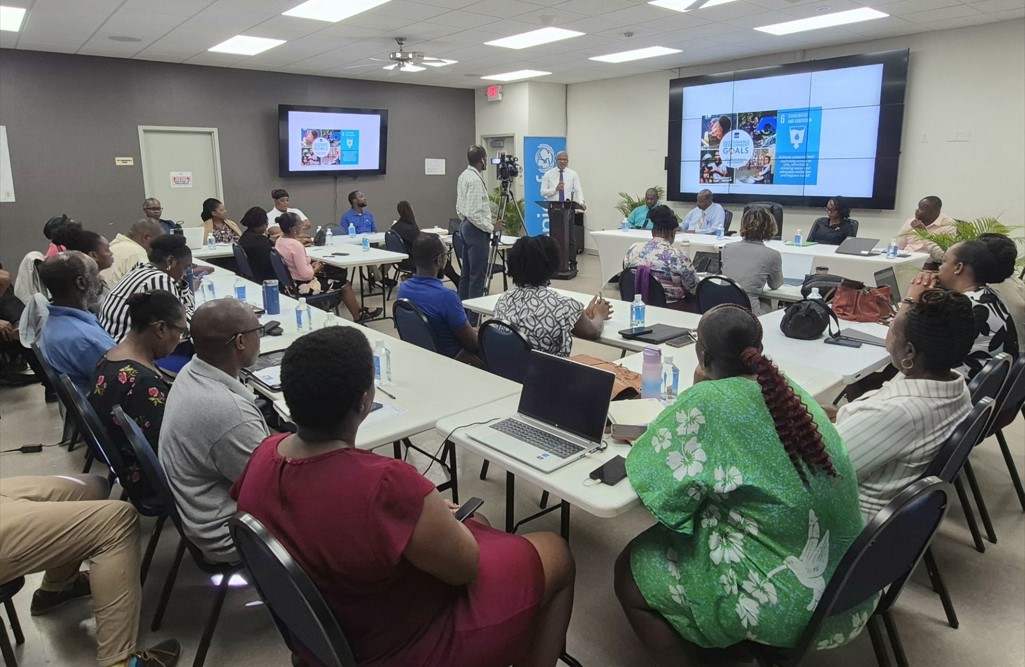
Dr. Livingston Pemberton, National Disaster Coordinator at NEMA, highlighted the importance of the participants’ roles in strengthening national preparedness and ensuring a coordinated, all-of-society approach to disaster response.
“You play a critical role in helping us at the national level to be ready to respond in the event that we are impacted by any hazard and it involves water, sanitation and hygiene. And the cadre of persons who have been selected to be here, we’ve tried to make sure that we have an all of society approach from the community level all the way up to the Ministry of Health level.
“All of us need to play our part. All of us need to help our Twin Island Federation to be more resilient. When we come together, we can be a strong team that will help our nation to be more resilient.”
Minister of Health and Gender Affairs, the Honourable Senator Jahnel Nisbett, also delivered remarks, emphasizing the importance of incorporating the specific sanitation, menstrual hygiene, privacy and dignity needs of women and girls into emergency planning.
The training was facilitated by Gabriel Adu Wusu, UNICEF WASH Specialist, and Javier Ottley, NDMD Community Liaison Officer. Sessions focused on strengthening institutional collaboration and information sharing, practical preparedness measures, community mobilization strategies, the national legislative framework and the importance of WASH in emergency situations.